
Category: Amazon Forest
-
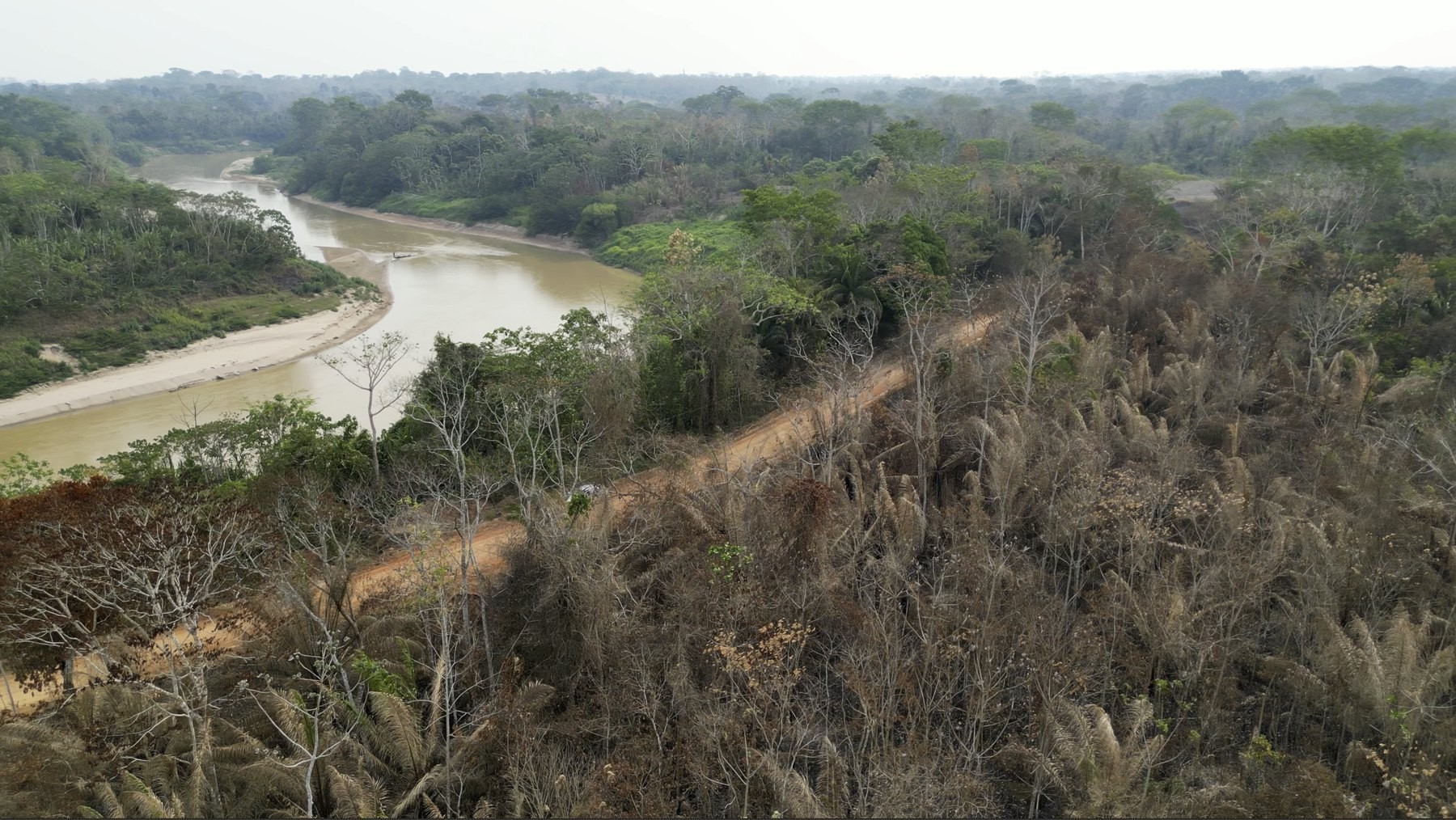
The Amazon’s hottest days are warming more than twice as fast as its average
A new study in Communications Earth & Environment, co-authored at Exeter, shows that Amazonia’s climate extremes are changing far faster than its averages, and that the fastest-changing region is the central-north Amazon, far from the arc of deforestation.
-
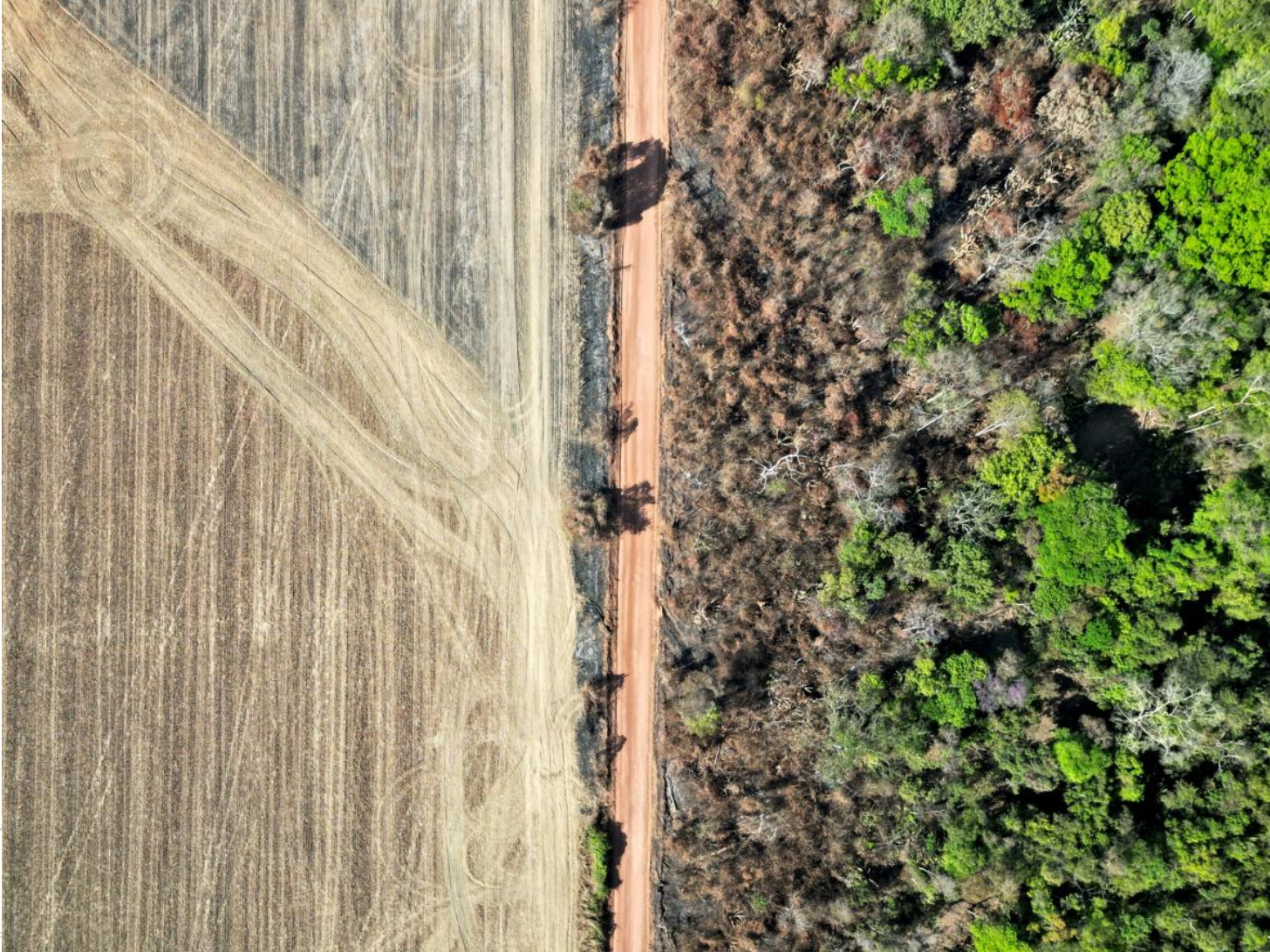
Burned Amazonian forests stay altered for at least 40 years, new lidar study shows
New spaceborne-lidar work presented at ATBC 2026 shows Amazonian forests in Acre remain measurably shorter, simpler and lower in biomass for at least 40 years after wildfire, recovering to only about 90% of unburned forest.
-

MSc completed: Lorena de Souza Fleury traces a 25-year legacy of soil fertilisation in Amazonian secondary forests
Lorena de Souza Fleury’s MSc at INPA finds that forest age, not fertiliser, drove carbon recovery in Amazonian secondary forests after 25 years, with soil holding most of the carbon.
-
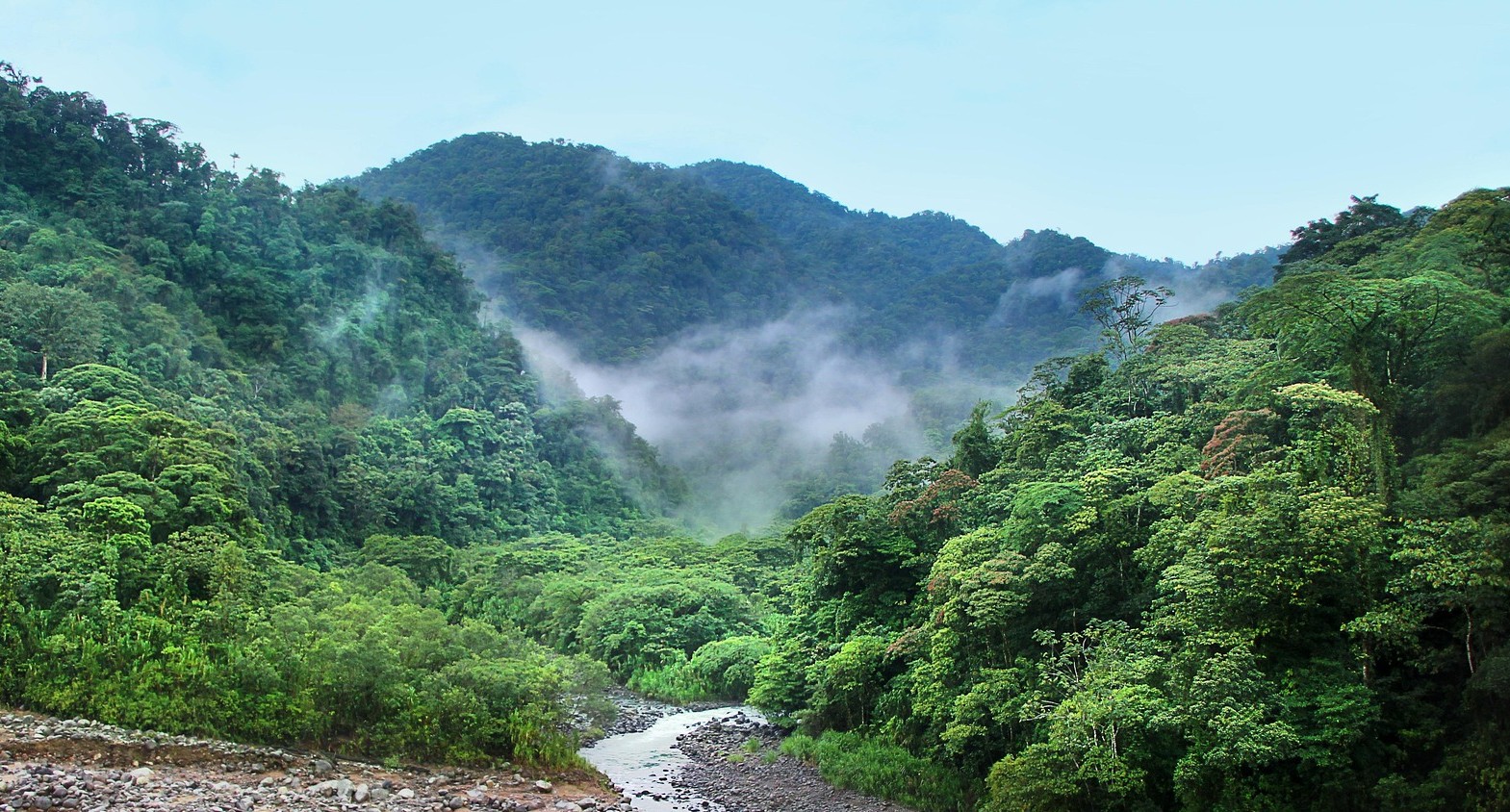
Tropical forests in the Americas are struggling to keep pace with climate change
Long-term forest monitoring shows that tropical forests in the Americas are shifting in composition in response to climate change, but too slowly to keep pace with ongoing warming and drying.
-
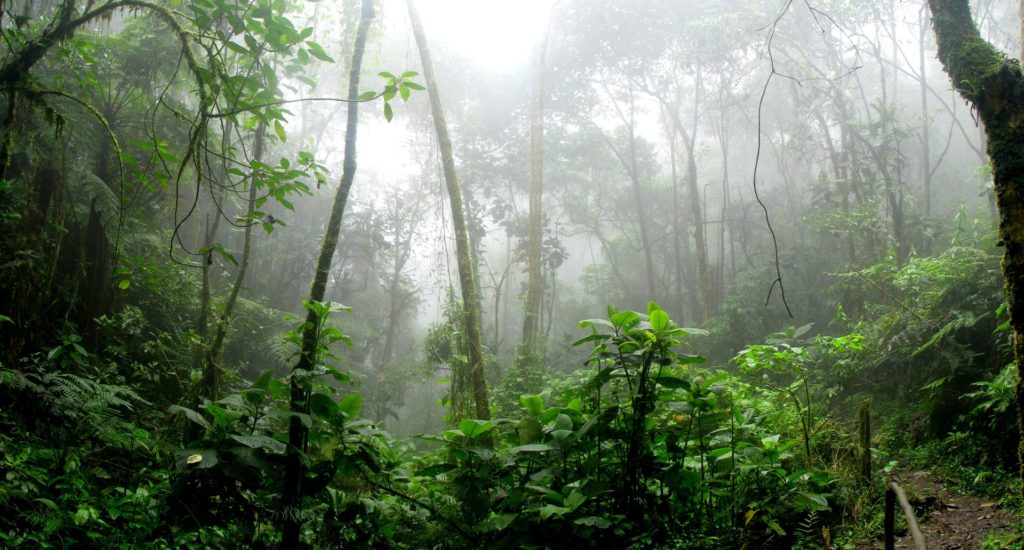
Extreme El Niño weather saw South America’s forest carbon sink switch off
A major study in Science shows that the 2015–16 El Niño switched South America’s tropical forests from a carbon sink to a source — with implications for fire risk and carbon accounting.
-
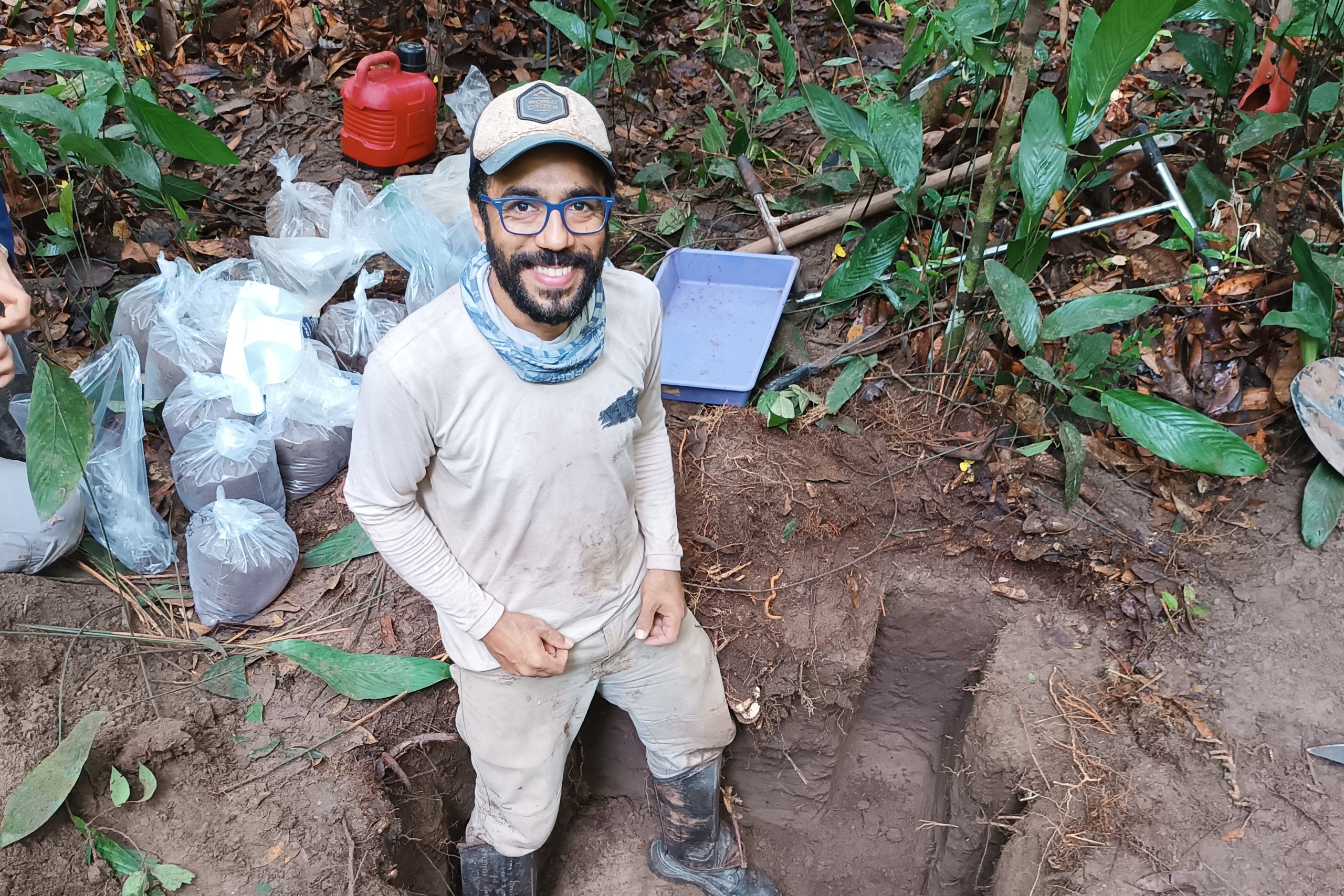
What controls forest carbon on the sandy soils of the southern Amazon?
Amazonian rainforests play an important global role in maintaining biodiversity, regulating climate, generating rainfall, and storing carbon. Yet, despite their importance, these forests continue to face multiple forms of degradation.
-
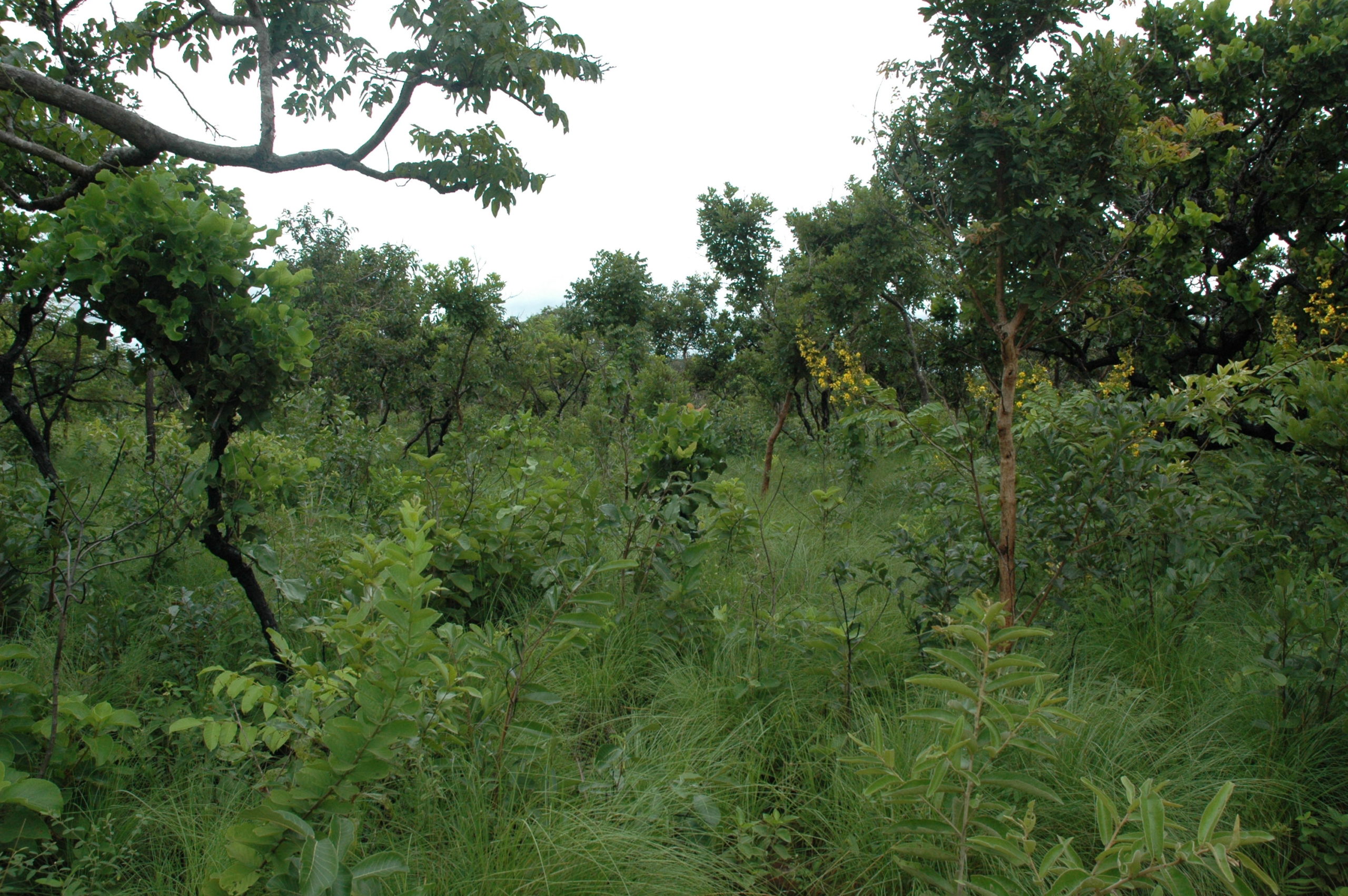
Thirty Tree Species Dominate the World’s Most Tree-Diverse Savanna
A new study published in Communications Biology (Nature Portfolio) found a surprising pattern in the world’s largest and most floristically tree diverse tropical savanna, the Cerrado. The research shows that despite hosting approximately 1,605 tree species, a mere 30 species – less than 2% – account for nearly half of all trees. This phenomenon of…
-
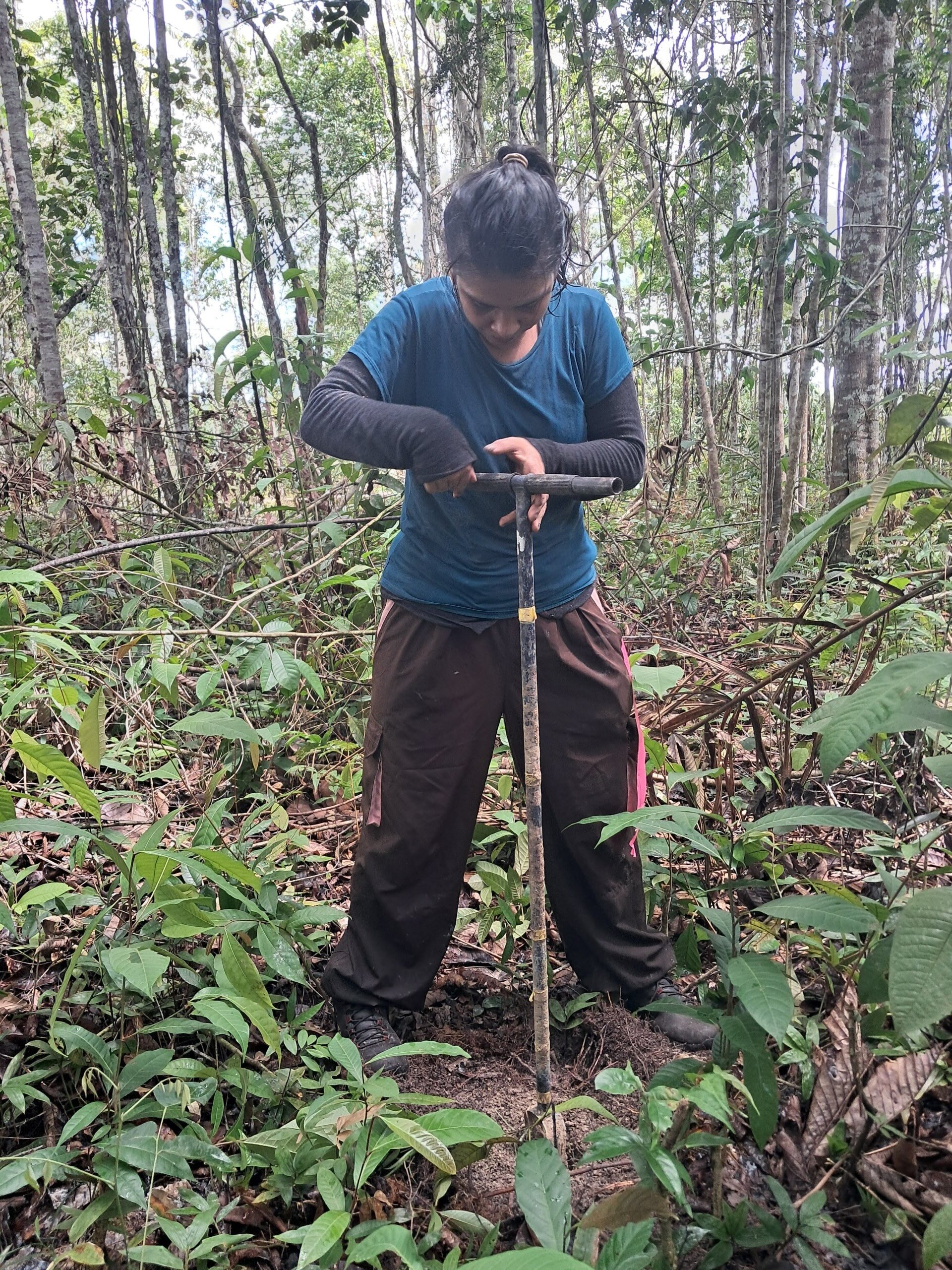
Does fire in forests regrowing on old pastures reduce soil carbon? Fieldwork in central Amazonia
The Amazon rainforest, an important carbon sink, faces increasing threats from deforestation and wildfires. But what happens to the soil carbon after these disturbances? MSc student, Lorena Fleury, in the Tropical Forest Science Postgraduate Programme at the National Institute for Research in Amazonia (INPA), supervised by Prof. Ted Feldpausch, has been sampling soil in secondary…
-
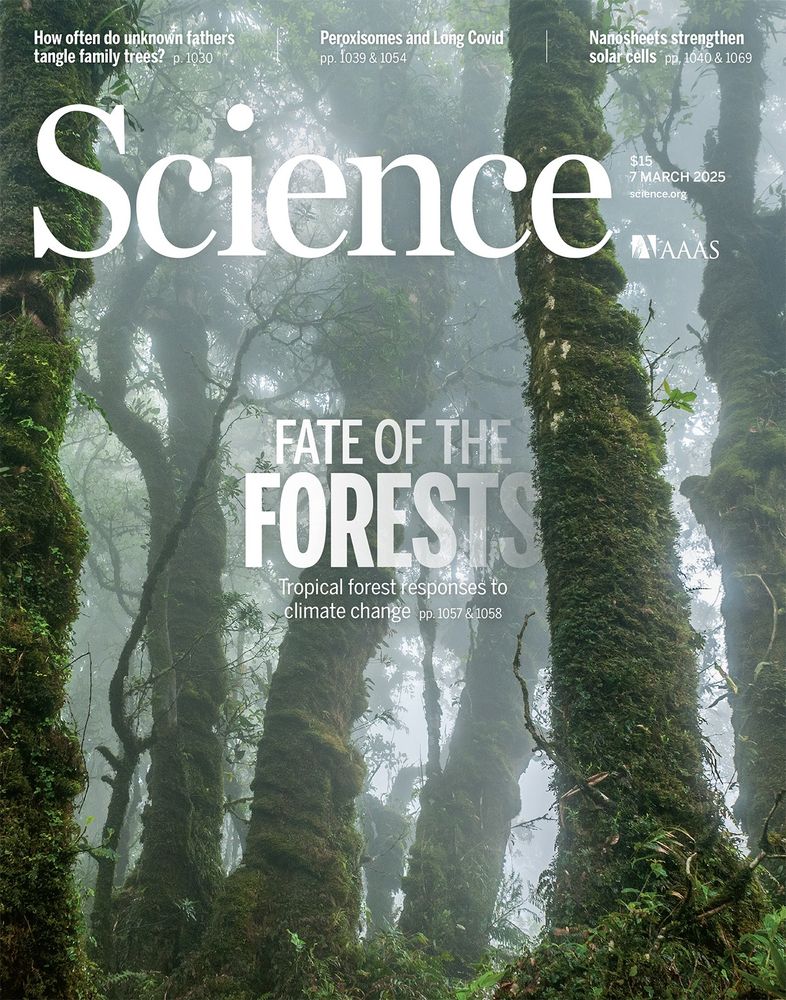
Tropical forests in the Americas are changing too slowly to track climate change
Our new study published in the journal Science reveals a concerning trend, that tropical forests across the Americas are changing their composition and function too slowly to keep up with the pace of climate change. This mismatch puts these important ecosystems, biodiversity hotspots, and carbon sinks at significant risk.
-
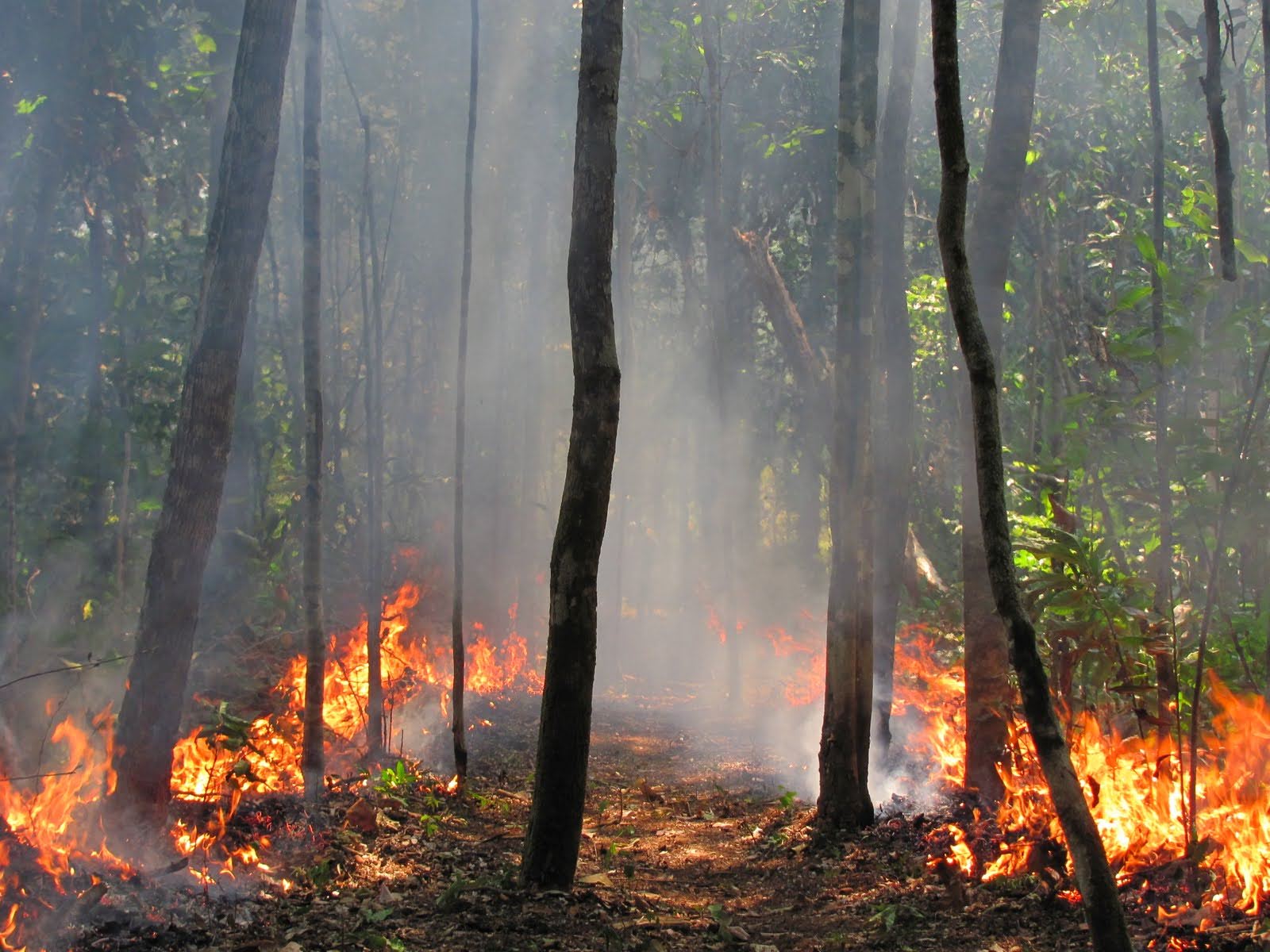
Fire reduces tree diversity and carbon in seasonal forests of the southern Amazon
We recently published a paper led by PhD student Maurivan Barros Pereira (State University of Mato Grosso (UNEMAT)), supervised by Prof. Ted Feldpausch and co-supervised by Drs Ben Hur Marimon and Fernando Elias da Silva. The findings were published in the journal Forest Ecology and Management, “Post-fire changes in tree diversity, composition and carbon in…