

Hey, it’s Evie! I’m in my final year studying History and Politics at the University of Exeter’s Penryn Campus, so I’ve had plenty of time to adjust to living away from home and learn the best tips and tricks for university life.
I remember feeling overwhelmed by the thought of moving away from home and stressed by how much new stuff there was to think about, with so many different things to organise on top of the actual university course itself. It might take a while to get the hang of everything, but what you do realise very quickly is that everyone is in the same boat and it’s so common to feel nervous about all the small things that come as part of the package of moving to university.
It can be reassuring to hear a bit more about what you might expect though – I certainly spent hours looking for advice, watching moving vlogs, and researching what to pack. Hopefully this little guide will help you feel more clued up on what university life entails and give you a few tips on how to prepare for the ‘adulting’ element of studying away from home.
On the practical side, there is plenty of advice on the University of Exeter website and you will get emails with important reminders before moving in. Once you tick off the important things on the official list (like registering, sorting out your loans and payments, and securing your accommodation), my advice would be to relax as much as you can and remember that almost everything else can be sorted after you’ve moved in if necessary.
Packing
I felt like forgetting to pack something would be the end of the world, but in reality it’s not difficult to find a replacement for something cheaply or second-hand once you’ve arrived, whether that be in Penryn or Exeter.
That being said, here’s a broad list of things to remember:
- Bedding: depending on your accommodation you’ll most likely need a duvet, pillows, covers and sheets, and I would recommend a mattress protector and maybe a blanket to be extra cosy!
- Other bedroom essentials include a bin, dustpan and brush, clothes hangers, and maybe some storage boxes to help keep you organised.
- Bathroom: towels, toiletries and cleaning supplies. I also had a handy shower storage shelf which had suction cups to stick to the wall.
- Kitchen: If you’re self-catered remember to bring cooking equipment. Usually a toaster, kettle, and microwave are provided but check this for your accommodation. I would suggest getting utensils, plates and bowls that are a certain colour or design so you can easily tell them apart. Don’t feel like you need to bring too much as cupboard space can be tricky. I just had two of most things (in different sizes), rather than having a full set of four bowls that you’ll never use all at once! Also remember washing up products and tea towels. Kitchen equipment is one of the easiest things to buy later on so don’t stress too much about it. If anything, I would say it’s better to have too little than too much as it’s a pain to store things if you have overestimated.
- Clothes: remember to pack for all seasons, including both a raincoat and a swimming costume!
- Other important things to remember are your passport (especially if you want to get a job as you’ll need it to onboard), ID, any medicine, laptop, chargers, stationary, bags, and some basic first aid kit like plasters.
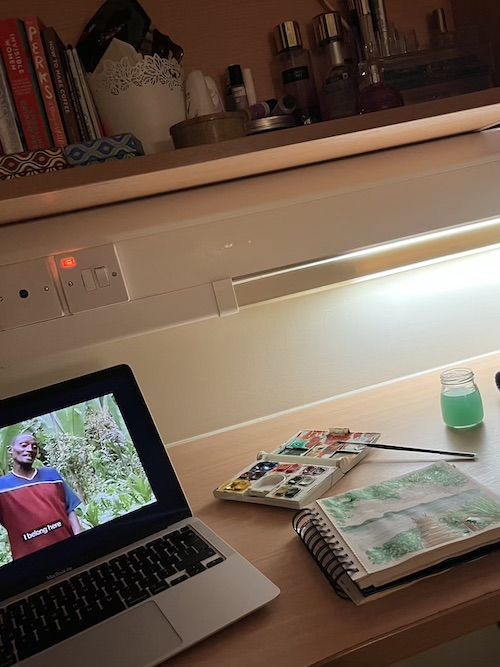
- Extras: definitely bring some sentimental objects, photos, decorations or things you need for any hobbies or activities you like to do. I would argue this is also essential in a different way, as it really makes you feel a lot more at home when you have a cosy room with familiar things around. I brought things like fairy lights, photos to put up on the pinboard, and a watercolour paint set.
To reiterate, try not to panic about forgetting things! I remember how stressful this can feel but it’s so easy to sort out and most things can wait a few days anyway. If there’s one element of ‘adulting’ you learn pretty quickly, it’s the ability to problem solve and fix little things that inevitably go wrong.
When you first arrive on campus

There’s a couple of things you need to do while completing the registration process within the first few days of arriving at university, like getting your student card, setting up an IT account, and probably registering for the local doctors. All of this will be clearly communicated to you and there are plenty of people around on move-in day to help if you’re unsure. It’s been organised so many years before that it all works smoothly and I don’t remember feeling particularly confused at any point even though I felt a bit overwhelmed at times.
I remember on my second day of moving into Glasney Student Village, I realised I couldn’t get my IT account login to work properly for some reason. When you’ve just moved somewhere new and have said goodbye to your family, small things like this can feel surprisingly big, and I was quite anxious about trying to sort it out. After a morning of unpacking and procrastinating dealing with the issue, I spoke to one of the flatmates I’d met and found out she needed to go back to the registration hall to sign up to the GP, so we decided to go together so we could both figure out the problems together. You’re unlikely to be the only one experiencing teething issues with moving in, so don’t be afraid to reach out for help as people may well be in a similar position to you. Even if they’re not, most people would be happy to help you out. In my case, we went to ask for advice, and both had our issues resolved very quickly. Going through the process together actually worked as a bonding experience so we ended up being really good friends throughout my three years here!
Hopefully that’s reassured you that even if something does go wrong, it will be okay! You just need to take one thing at a time and break things down into smaller steps to help yourself feel less overwhelmed by it. Once you’ve proven to yourself that you can deal with problems that come your way, you really start to gain confidence and feel like you can do more than you might have thought!
Help and support while you study
Moving to university is a great way to experience living away from home and gain the associated skills and resilience while still being within a network of support. There will be plenty of other students around to help you, and there’s lots of support offered by the University, particularly during the early stages of moving but continually throughout your degree with the wellbeing and academic services. I found this really helps you to push yourself out of your comfort zone to deal with things while knowing you have options to fall back on if you need them, rather than just freezing in panic.
You won’t even realise it’s happening, but over time you’ll confront more and more little things that will build your confidence until one day you’re able to deal with more complicated issues without it feeling so daunting. For example, by the time I got to second year I was able to talk to private landlords, sort out housing contracts, pay bills, contact companies when there were payment issues, and a range of other things that just became normal to me – a big shift from being scared to resolve an IT issue on campus.
University really does allow you to feel supported enough to push yourself and grow without feeling like there are any terrible consequences if you don’t get something quite right, which is why it’s such a useful way to build up your ‘adulting’ skills over time in a comforting environment.
Other essential ‘adulting’ skills
Doing the laundry, cooking and budgeting are probably the most specific concerns people have about student life, and none of them are as bad as they may seem.
Laundry
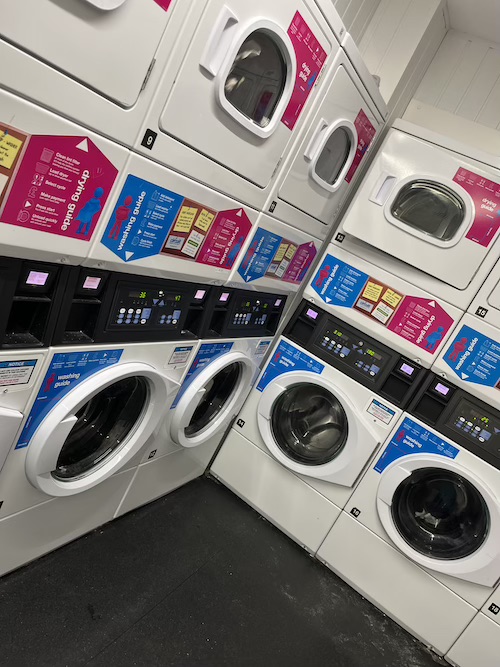
The laundry process will vary depending on your accommodation, and information will be available wherever you are based. Speaking from experience in Glasney Student Village, there are laundry rooms scattered around different blocks of accommodation, never very far away. I would recommend having a big ‘Bag for Life’ to carry washing to and from the closest building, which you can also put your washing liquid or pods in so you remember them. I tended to use laundry sheets as they are lightweight, take up less space and are more sustainable.
There are clear signs and explanations for how to use the laundry rooms, usually involving an app so you can pay to access the washing machines and dryers through your phone. The app will also tell you how long is left on the machine, so you know when to go back and move your washing. Just remember to take it out as soon as you can as they are a shared facility and you don’t want to be the one stopping someone else from doing their washing!
I didn’t know about this before my friend mentioned it as I’d never had a dryer at home, but it’s also important to take the lint out of the dryers after using them. On this note, if you’re confused about the laundry facilities, I would highly recommend going to figure it out with a flatmate. Everyone needs to use them and it makes it a lot less intimidating – and again, doing chores with new people is a surprisingly great way to make friends. You can help each other out based on past experiences, and work things out together. At Glasney, the ResLife team are also on hand in Glasney Lodge to answer questions and help out if you ever have any issues with your accommodation or the facilities.
Cooking
If you’re self-catered, cooking is probably one of the main things on your mind. The amount of effort people put into this really varies, so if you’re planning on surviving on instant noodles and pesto pasta, you won’t be alone. These easy meals are always an option, particularly when you’re just settling in, but I would really recommend learning to make some simple but healthy dishes to keep your nutrition up! There’s a lot of cookbooks available that are aimed at students, as well as easy and budget-friendly recipes online. I cooked a lot of pasta with vegetable sauces, and had a lot of eggs on toast for lunch, which may sound pretty basic but can allow you to get all your main food types in.
Maybe ask a relative to show you how to make some of your favourite meals at home over the summer so you have a few options you’re confident to make and will be able to eat some food that feels familiar and comforting when you’re away. If you don’t do much cooking already, it’s worth practising some basic skills at home so it’s less daunting.
I would recommend making a meal plan to stick to, so you can budget effectively, use up ingredients to avoid waste, and know what you’re making each day. This is helpful when making a shopping list and allows you to think carefully about how to group together dishes to make good use of what you’re buying. Meal prepping or saving leftovers for a day or two is also a great technique to help make cooking easier, so you don’t have to do it so often and can divide dishes into single portions.
Budgeting
Money is a concern for most students, and budgeting can seem a bit overwhelming at first. Writing down or making a spreadsheet of all your regular spending is a good place to start, so you know how much money will be leaving your account each week or month automatically. In first year, this will mostly just be rent, but remember any subscriptions you have for your phone, streaming platforms or storage. I would subtract this all upfront and then divide your remaining loan or income by the number of weeks you have until the next instalment. This should work out a rough weekly budget, but I would suggest lowering this further if you are able to, so you have some money set aside for bigger expenses or unexpected costs that could arise.
Once you have a weekly budget that you can stick to sustainably across the term, you can track your weekly spending carefully to keep to this amount and know you will have enough money to last. I had a separate card to transfer this weekly budget to each week, so I could then use this for daily spending and ensure I didn’t go over the budget. This was really useful in my experience but isn’t necessary!
Remember that essentials like food shopping, transport costs and toiletries have to be covered by this budget, so factor this in when you’re spending money on luxuries or activities. Doing it week by week definitely makes it easier to work out how much extra you’ll have for nice purchases though! It also means one week you might prioritise paying for a day out, and another week you might spend more money on coffees while you study, but you’ll know where you’re at and won’t feel so stressed about whether you can afford something or not.
You’ve got this!
Breaking down ‘adulting’ tasks into smaller pieces like this, whether it be a weekly budget or a step-by-step approach to fixing an IT problem, is definitely the best way to approach moving to university in my opinion! By looking at it this way, everything seems a lot less overwhelming and you’re much more likely to achieve the task at hand.
Having the comfort and reassurance of the University support systems and communities makes this all a lot easier. Remember that no problem is un-fixable, and that you are never alone in finding a solution. So although it’s important to prepare for university, the best approach is to try not to stress too much – you have three years of learning and gaining confidence ahead of you and will get through anything that arises.